

How Dubai is transforming historic Al Ras with a 12km walkway project
Ambitious plan targets 6,000km pedestrian network across the emirate
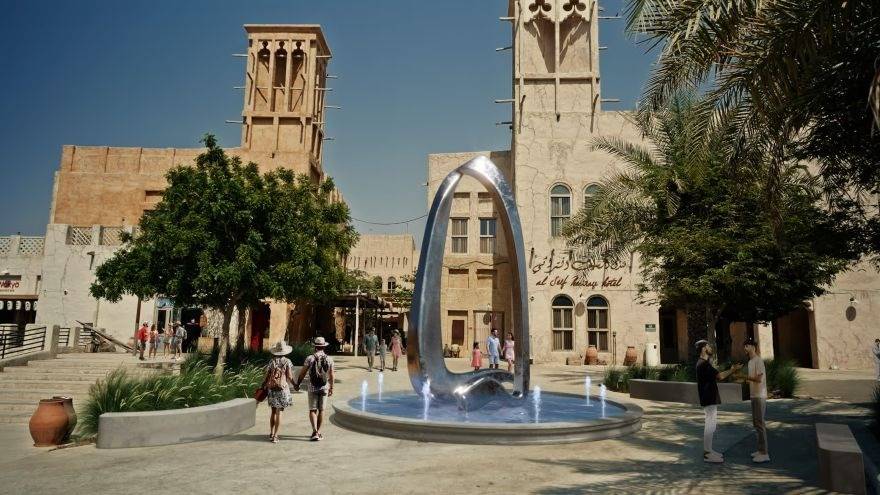
DUBAI – Dubai has taken a significant step towards becoming a fully pedestrian-friendly city with the launch of Phase I of its Urban Walkways Master Plan in the historic Al Ras district.
The Roads and Transport Authority has awarded the contract for the first phase under the broader Dubai Walk initiative, setting in motion a transformation of one of the emirate’s oldest neighbourhoods. The project combines infrastructure, heritage preservation and creative design to deliver a modern walking experience rooted in history.
The development aligns with long-term urban strategies aimed at enhancing quality of life and mobility. It also reflects a wider effort to make Dubai accessible on foot throughout the year, while improving connectivity between districts and public transport systems. The first phase focuses on the Historic Al Ras Walkway, a project that integrates mobility, culture and urban design.
Urban vision
The Pedestrian Master Plan forms a central part of Dubai’s future urban framework, supporting the goals of the Dubai Urban Plan 2040. A key objective of this strategy is the “20-minute city”, where residents can access more than 80 percent of essential services within a short journey. By expanding pedestrian infrastructure, the initiative aims to reduce reliance on vehicles while encouraging healthier and more sustainable modes of transport.
#RTA has awarded the contract for Phase I of the Pedestrian Master Plan (Dubai Walk) in Historic Al Ras. The project includes the development of the Historic Al Ras Walkway, comprising 12 km of walkways and 5 km of cycling tracks, and the rehabilitation of 10 artistic spaces in… pic.twitter.com/xeUmHlhk6B
— RTA (@rta_dubai) March 22, 2026
The plan also contributes to the Quality of Life Strategy 2033 by improving safety standards and enhancing the overall urban environment. Walkways are designed not only as transport routes but as public spaces that promote wellbeing, interaction and accessibility. The integration of aesthetic and cultural elements further strengthens the identity of each district.
Over time, the initiative will deliver more than 6,000km of walkways across 160 areas in Dubai. It also includes the construction of 110 pedestrian bridges and underpasses to improve inter-district connectivity. These upgrades are expected to increase the share of walking and soft mobility trips from 16 per cent in 2025 to 25 per cent by 2040.
Al Ras project
At the heart of Phase I is the Historic Al Ras Walkway, which will introduce 12km of pedestrian paths alongside 5km of cycling tracks. The project is designed to connect key heritage landmarks across the district, creating a seamless route through some of Dubai’s most culturally significant sites.
Among the locations linked by the walkway are Al Ahmadiya School, Sheikh Saeed Al Maktoum House, Al Ras Public Library, Al Fahidi Fort and Al Shindagha Historic District. By connecting these destinations, the project enhances accessibility for both residents and visitors while promoting cultural exploration.
The walkway will also integrate with 11 public transport stations, including metro, bus and marine networks. This approach is intended to improve first- and last-mile connectivity, encouraging greater use of public transport and reducing travel times across the area. The result is a cohesive mobility system that blends walking with other modes of transport.
Design improvements within the project include wider pavements, shaded pathways and additional seating areas. Green spaces will be expanded, while wayfinding systems will be introduced to help pedestrians navigate the district more easily. These features are designed to ensure comfort in varying weather conditions while preserving the historical character of Al Ras.
Design features
The project places strong emphasis on maintaining the architectural identity of the historic district. Urban design solutions have been carefully selected to complement the area’s heritage, ensuring that modern enhancements do not disrupt its traditional aesthetic.
Advanced lighting techniques will be used to highlight historical features and create an engaging night-time environment. These lighting systems are expected to enhance visibility while adding a visual dimension to the walking experience.
The walkways will also incorporate elements aimed at improving comfort and usability. Shading structures and misting systems are planned to mitigate heat, making outdoor walking more viable throughout the year. In addition, interactive features such as digital screens, signage and ground graphics will be introduced to create a dynamic pedestrian environment.
Fitness and recreational equipment will be integrated along certain sections of the route, encouraging physical activity among residents and visitors. Rest areas and designated commercial spaces will also be included, supporting small-scale business opportunities and adding vibrancy to the public realm.
Barrier-free access is another key feature of the design, ensuring that walkways are accessible to people of determination and all age groups. Safety enhancements, including improved crossings and clearly marked pathways, are expected to further support pedestrian movement across the district.
Cultural layer
A distinctive element of the Al Ras project is its focus on art and culture. The plan includes the rehabilitation of 10 artistic spaces, developed in coordination with Dubai Culture and Arts Authority. Emirati and local artists will contribute to these spaces, showcasing a variety of creative works.
Murals and sculptural installations will be featured along the walkway, creating an open-air gallery that reflects the cultural identity of the area. These artworks are intended to enrich the pedestrian experience while celebrating local heritage and creativity.
The initiative will also introduce ongoing artistic programmes and seasonal events once the project is completed. These activities are expected to activate the walkway, attracting visitors and fostering community engagement throughout the year.
Through these cultural elements, the project aims to transform walkways into more than just transit routes. Instead, they will function as interactive public spaces that blend mobility with art, history and social interaction.
The broader Pedestrian Master Plan continues to roll out in phases, with the first stage scheduled between 2025 and 2027, followed by subsequent developments extending to 2040. Key infrastructure projects include pedestrian bridges on major roads such as Al Ittihad Street, Tripoli Street, Al Khawaneej Street and Dubai–Al Ain Road, linking districts and improving accessibility across the emirate.